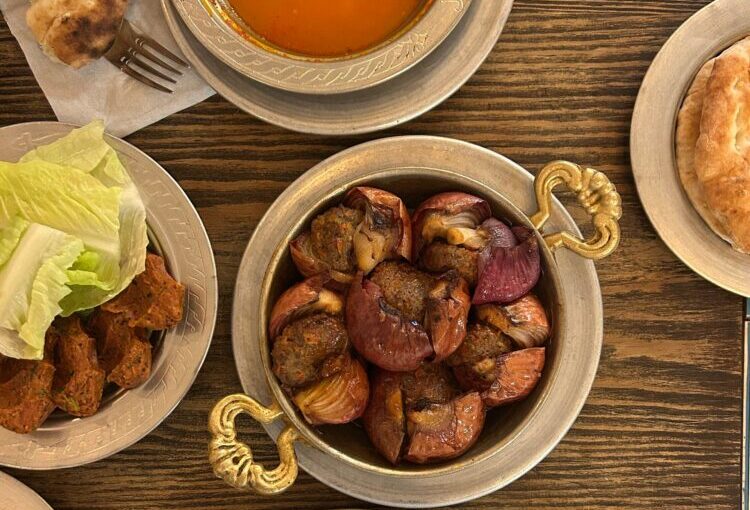
Cappadocia is famous around the world for its fairy chimneys, cave hotels, underground cities and hot air balloons. But there is another side of the region that deserves just as much attention: Cappadocia’s local cuisine.
The food of Cappadocia reflects the landscape and history of Central Anatolia. Traditional recipes make use of meat, vegetables, grains, legumes, dried fruits, grapes and dairy products, while clay pots and traditional ovens remain an important part of regional cooking.
From the famous testi kebabı cooked in a sealed clay pot to homemade Nevşehir mantısı, local wines and unusual desserts made with grapes and apricots, Cappadocia offers plenty for travelers who want to discover Turkey through food.
What Is Cappadocia Cuisine Known For?
Cappadocia’s cuisine is closely connected with the culinary traditions of Nevşehir and Central Anatolia.
The region is particularly known for:
- Testi kebabı, or clay-pot kebab
- Nevşehir mantısı
- Kayısı yahnisi
- Ağpakla, a white bean and meat dish
- Gendime
- Dıvıl
- Traditional Turkish breakfast
- Kuru kaymak
- Köftür made with grape juice
- Dolaz, a traditional flour halva
- Pumpkin dessert
- Cappadocian wines
Many regional dishes are prepared in earthenware or traditional ovens, giving them a distinctive texture and flavor.
1. Testi Kebabı: Cappadocia’s Signature Dish
If you try only one traditional dish in Cappadocia, make it testi kebabı.
Also called çömlek kebabı, this famous regional dish is traditionally prepared with meat and vegetables inside a sealed clay pot. The pot is slow-cooked in a traditional oven, allowing the ingredients to develop a rich, smoky flavor.
The most memorable part comes when the dish reaches your table.
The clay pot is cracked open in front of you, releasing steam and the aroma of the slow-cooked ingredients.
The dish is particularly associated with Cappadocia and Nevşehir, where local pottery traditions provide the clay vessels used for cooking.
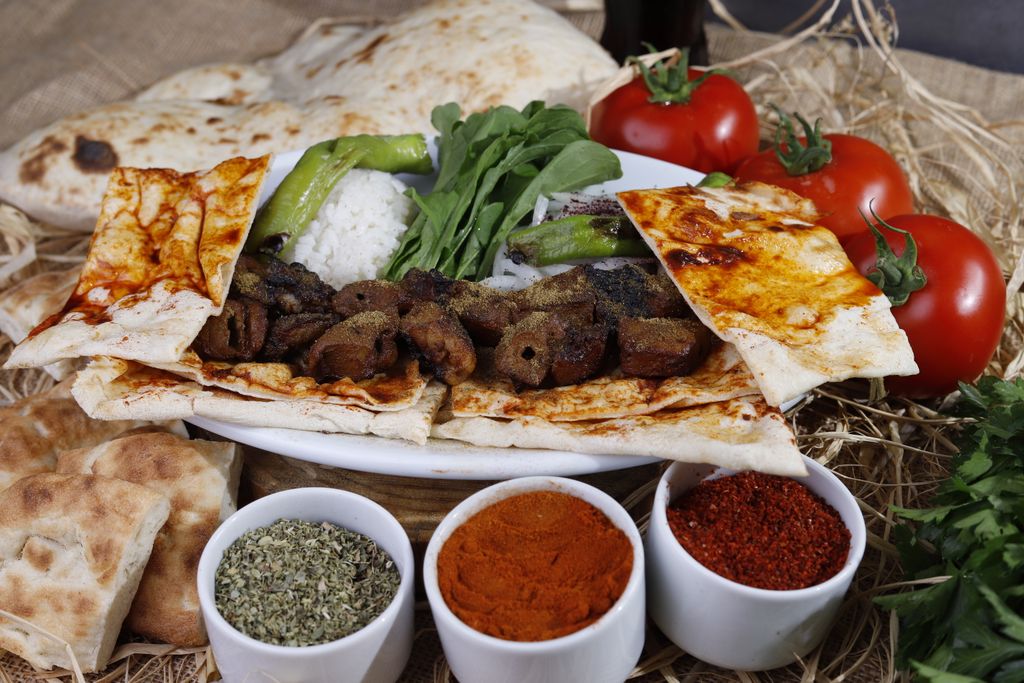
What Is Testi Kebab Made Of?
Recipes vary between restaurants, but typical ingredients include:
- Lamb or other meat
- Tomatoes
- Onion
- Garlic
- Peppers
- Other vegetables
- Herbs and spices
Some versions also include potatoes or other ingredients.
Because recipes vary, it is worth asking the restaurant what is included before ordering.
2. Nevşehir Mantısı
Nevşehir mantısı is the local version of one of Turkey’s best-known dishes: mantı.
These tiny dumplings are made from thin dough filled with minced meat, onion and herbs. They are usually served with garlic yogurt and a warm butter-based sauce, often accompanied by spices such as sumac and mint. citeturn0search5
Mantı takes considerable time to prepare because each small dumpling is shaped individually.
Although Kayseri is particularly famous for mantı, Nevşehir has its own local tradition, making it a dish worth trying while exploring Cappadocia.
3. Kayısı Yahnisi: Meat and Apricots
One of the more unusual dishes to discover in Cappadocia is kayısı yahnisi, a traditional combination of meat and apricots.
The dish combines sweet dried apricots with meat and is slowly cooked, traditionally in an earthenware pot or over a wood fire.
The contrast between sweet fruit and savory meat creates a flavor combination that may be unfamiliar to many international visitors.
It is a good example of how Cappadocian cuisine uses locally available ingredients in unexpected ways.
4. Ağpakla: Beans and Meat
Beans are an important part of the traditional cuisine of the Nevşehir region.
Ağpakla combines white beans, meat and butter and is traditionally prepared as a hearty regional dish.
The official tourism resources for Nevşehir specifically identify beans among the area’s best-known foods alongside testi kebabı. citeturn0search0turn0search3
If you enjoy traditional home-style food, Ağpakla is worth looking for on local menus.
5. Gendime
Another traditional regional dish is gendime, which combines ingredients such as chickpeas, wheat and meat.
It represents the hearty, grain- and legume-based side of Cappadocian cuisine.
Traditional Central Anatolian dishes like this are particularly interesting for travelers who want to experience something beyond the internationally familiar Turkish dishes found throughout the country.
6. Dıvıl
Dıvıl is another local Nevşehir specialty made with potatoes and cracked wheat.
It is less internationally known than testi kebabı, which makes it particularly interesting for travelers looking for authentic regional food.
Trying lesser-known dishes is one of the best ways to experience Cappadocia’s culinary heritage beyond the standard tourist menu.
7. A Traditional Turkish Breakfast in Cappadocia
A Cappadocia food experience should begin with kahvaltı, the traditional Turkish breakfast.
Unlike a typical continental breakfast, Turkish breakfast is usually served as a generous selection of small dishes.
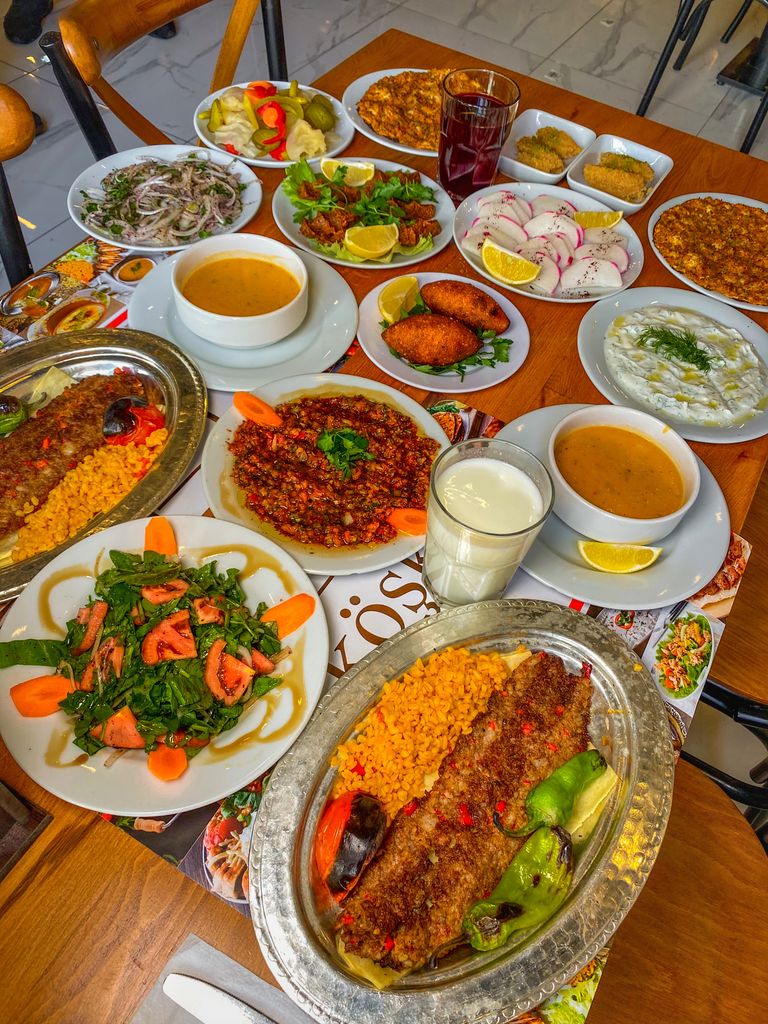
A Cappadocian breakfast may include:
- Fresh bread
- White cheese
- Kaşar cheese
- Olives
- Tomatoes
- Cucumbers
- Eggs
- Honey
- Jam
- Butter
- Kaymak
- Seasonal vegetables
- Turkish tea
Some hotels in Cappadocia serve breakfast on terraces overlooking the fairy chimneys, making breakfast itself part of the travel experience.
For an especially memorable morning, look for a terrace with views of the landscape and, weather permitting, the hot air balloons.
8. Kuru Kaymak: A Cappadocian Specialty
Kuru kaymak is one of the region’s more unusual dairy products.
It is made from concentrated milk cream and traditionally served with honey.
The preparation process is labor-intensive. Milk is heated for hours, creating layers of cream that are then removed and dried.
The result is very different from the fresh kaymak commonly served with Turkish breakfast.
If you enjoy traditional dairy products, kuru kaymak is one of the more distinctive foods to look for in Cappadocia. citeturn0search5
9. Cappadocian Grapes and Local Wine
Cappadocia has a long winemaking tradition, and vineyards are an important part of the region’s agricultural landscape.
The area’s volcanic soils and distinctive terroir support several grape varieties, including Emir, one of the best-known white grapes associated with Cappadocia.
Other Anatolian grape varieties are also cultivated in the region. Local wineries offer opportunities for visitors to taste regional wines and learn more about Cappadocia’s wine-making traditions. citeturn0search5turn0search6
For wine lovers, a vineyard or winery visit can be an excellent addition to a Cappadocia itinerary.
10. Köftür: Cappadocia’s Grape-Based Sweet
Cappadocia’s grape-growing traditions also appear in its desserts.
Köftür is a traditional sweet made using grape juice. It has a texture somewhat reminiscent of Turkish delight and is one of the regional products travelers may encounter in Nevşehir.
It can also make an interesting edible souvenir to take home.
11. Dolaz: Traditional Flour Halva
Dolaz is a traditional regional dessert made with flour and butter.
It belongs to the family of simple Anatolian sweets in which a few basic ingredients are transformed into a rich and satisfying dessert.
If you enjoy discovering traditional foods rather than only ordering internationally familiar desserts, ask whether dolaz is available.
12. Pumpkin Dessert
Pumpkin is another traditional ingredient used in regional desserts.
Kabak tatlısı, or Turkish pumpkin dessert, is made by cooking pumpkin with sugar until tender. It is often served with nuts or other toppings.
The official tourism resources for Nevşehir list pumpkin dessert among the region’s traditional sweets.
13. Stuffed Apricots and Quince
Cappadocian cuisine also includes unusual combinations of fruit, meat and spices.
Traditional recipes include stuffed apricots and stuffed quince, which combine fruit with savory fillings.
These dishes demonstrate an important characteristic of regional Anatolian cuisine: sweet and savory flavors are not necessarily separated.
Instead, dried fruit and fresh fruit can become part of a main course.
14. Güveç and Traditional Clay-Pot Cooking
Güveç refers to dishes cooked slowly in an earthenware pot.
The ingredients can vary, but meat and vegetables are commonly combined and cooked until tender.
Clay-pot cooking is particularly appropriate in Cappadocia because pottery has deep roots in the region. Avanos, located along the Kızılırmak River, is famous for its pottery tradition.
This connection between food and pottery is one of the things that makes eating in Cappadocia different from an ordinary restaurant experience.
Cappadocia Food and Avanos Pottery
Food and pottery are closely connected in Cappadocia.
Avanos has long been known for its pottery workshops, and local clay vessels are traditionally used for cooking and serving regional dishes.
This connection is particularly visible with testi kebabı, where the cooking vessel itself becomes part of the dining experience.
A visit to Avanos can therefore combine two aspects of Cappadocian culture: traditional pottery and regional cuisine.
Where to Try Local Food in Cappadocia
You can find regional dishes throughout the main tourist areas, including:
Göreme
Göreme is one of the easiest places for travelers to discover Cappadocian cuisine. The town has a large selection of restaurants, traditional dishes and cave-style dining spaces.
Uçhisar
Uçhisar is known for its spectacular views and offers restaurants ranging from traditional Turkish cuisine to more contemporary interpretations of Anatolian food.
Ürgüp
Ürgüp has a strong connection with Cappadocia’s food and wine culture. It is a good place to look for traditional regional dishes and local wines.
Avanos
Avanos is particularly interesting for travelers who want to combine food with pottery and other traditional crafts.
Mustafapaşa
Mustafapaşa offers a quieter atmosphere and is an interesting destination for discovering historic architecture and local food away from some of Cappadocia’s busiest tourist areas.
What to Eat in Cappadocia: A Quick Checklist
If you want to create your own Cappadocia food itinerary, start with these regional specialties:
- Testi kebabı
- Nevşehir mantısı
- Kayısı yahnisi
- Ağpakla
- Gendime
- Dıvıl
- Kuru kaymak
- Köftür
- Dolaz
- Kabak tatlısı
- Stuffed apricots
- Local Cappadocian wine
Not every restaurant will serve every dish, so ask about regional specialties before ordering.
Tips for Exploring Cappadocia’s Food Scene
Look Beyond the Tourist Menu
Popular dishes such as testi kebabı are worth trying, but ask your server about lesser-known regional specialties too.
Ask About Seasonal Ingredients
Cappadocia’s cuisine makes use of local agricultural products, including grapes, apricots, pumpkin and other produce.
Visit a Local Winery
If you enjoy wine, consider adding a vineyard or winery visit to your itinerary. Cappadocia has a long-established wine tradition and several wineries welcome visitors.
Explore Local Markets
Markets can be a good place to discover regional products such as dried fruit, grape molasses, sweets, nuts and other local foods.
Combine Food With Cultural Experiences
Consider combining a meal with a visit to Avanos, a pottery workshop, a vineyard or a traditional village.
This gives you a better understanding of how Cappadocia’s landscape, agriculture, crafts and cuisine are connected.
Cappadocia’s Modern Food Scene
Traditional food remains at the heart of Cappadocia’s culinary identity, but the region’s restaurant scene is also evolving.
In 2025, Cappadocia entered the MICHELIN Guide selection, with 18 restaurants included in the regional selection. The guide highlighted restaurants that combine local ingredients and traditional Anatolian recipes with contemporary techniques.
This means food lovers can experience Cappadocia in two very different ways: by searching for traditional home-style dishes or by exploring modern restaurants that reinterpret the region’s culinary heritage.
FAQ About Cappadocia Local Cuisine
What food is Cappadocia famous for?
Cappadocia is particularly famous for testi kebabı, a clay-pot dish cooked slowly with meat and vegetables. Other regional specialties include Nevşehir mantısı, kayısı yahnisi, Ağpakla, kuru kaymak and Köftür. citeturn0search0turn0search5
What is the most famous dish in Cappadocia?
Testi kebabı is probably the best-known regional specialty. It is traditionally cooked in a sealed clay pot that is opened or broken at the table before serving. citeturn0search5turn0search7
What should I eat in Cappadocia besides testi kebab?
Try Nevşehir mantısı, kayısı yahnisi, Ağpakla, gendime, kuru kaymak, Köftür and local desserts such as dolaz and kabak tatlısı.
Is Cappadocia good for vegetarians?
Yes. Turkish cuisine includes many vegetarian dishes, including vegetable meze, salads, gözleme, stuffed vegetables, legumes and other plant-based dishes. However, traditional regional specialties often contain meat, so check the ingredients before ordering.
Is Cappadocia famous for wine?
Yes. Cappadocia has a long winemaking tradition and is particularly associated with vineyards grown in the region’s volcanic soils. Emir is one of the notable grape varieties associated with Cappadocia. citeturn0search5turn0search6
Where can I try traditional Cappadocian food?
Göreme, Uçhisar, Ürgüp, Avanos and Mustafapaşa all offer opportunities to explore local cuisine. For the most authentic experience, look for restaurants that specifically feature Nevşehir or Cappadocian specialties.
Final Thoughts
Cappadocia’s cuisine is an essential part of experiencing the region.
The food reflects the same qualities that make Cappadocia fascinating as a travel destination: ancient traditions, local ingredients, volcanic landscapes and distinctive craftsmanship.
Start with a traditional Turkish breakfast, try the famous testi kebabı, discover Nevşehir mantısı, sample local wines and look for lesser-known dishes such as kayısı yahnisi and Ağpakla.
And don’t forget to leave room for something sweet — from grape-based Köftür to dolaz and pumpkin dessert.
For food lovers, Cappadocia is not simply a place to see. It is a place to taste.