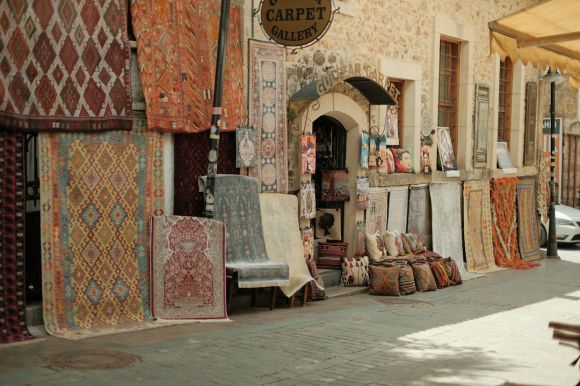
Turkey is famous for its fascinating history, unique landscapes and centuries-old traditions. Among its most recognizable crafts is traditional Turkish carpet weaving, an art form that combines intricate patterns, natural materials and generations of craftsmanship.
For travelers visiting Cappadocia, discovering Turkish carpets can be much more than shopping for a souvenir. A visit to a traditional carpet workshop offers an opportunity to learn how carpets are made, understand the meaning behind their patterns and meet artisans who continue a craft passed down through generations.
From colorful wool carpets to delicate silk designs, every handmade carpet has its own character and story.
The History of Turkish Carpet Weaving
The history of carpet weaving in Anatolia stretches back many centuries. Turkish carpet-making traditions developed under different civilizations and flourished during the Seljuk and Ottoman periods.
Carpets became important objects in homes, mosques, palaces and public buildings. They were valued not only for their practical use but also for their artistic quality.
Over time, different regions of Anatolia developed their own colors, patterns and weaving traditions. As a result, Turkish carpets can vary considerably depending on where they were produced.
Cappadocia is particularly interesting because its carpet-making traditions developed alongside the region’s distinctive cultural heritage. Today, visitors can still discover traditional weaving techniques in workshops throughout Cappadocia.
How Are Traditional Turkish Carpets Made?
Creating a handmade Turkish carpet is a slow and highly skilled process. Depending on the size, materials and complexity of the design, a carpet can take months or even years to complete.
The basic process includes several important stages.
Choosing the Materials
Traditional carpets are commonly made from:
- Wool
- Cotton
- Silk
- A combination of natural fibers
Wool is particularly popular because it is durable, warm and well suited to traditional weaving techniques. Silk creates exceptionally fine and detailed carpets but requires considerably more time and skill.
Preparing and Dyeing the Yarn
The yarn is prepared before weaving begins. Traditionally, natural dyes were made from plants, roots, flowers, leaves and other natural materials.
Traditional dye sources can produce shades of:
- Red
- Blue
- Yellow
- Green
- Brown
- Orange
Natural dyes are valued for the depth and character they can give to a finished carpet.
Modern Turkish carpets may also use synthetic dyes, so travelers interested in traditionally produced carpets should ask the workshop about the materials and dyeing methods used.
The Turkish Knot: What Makes These Carpets Special?
One of the most important characteristics of traditional Turkish carpets is the symmetrical Turkish knot, also known as the Gördes or Ghiordes knot.
Unlike the asymmetrical Persian knot, the Turkish knot is tied around two warp threads. This creates a strong and durable structure.
The density of the knots is also an important characteristic of handmade carpets. Generally, a higher knot density allows the weaver to create more intricate patterns and finer details.
When looking at a handmade carpet, the back of the carpet can reveal a great deal about how it was made. Turning it over allows you to see the individual knots and examine the consistency of the weaving.
Understanding the Patterns and Symbols
One of the most fascinating aspects of Turkish carpets is their symbolism.
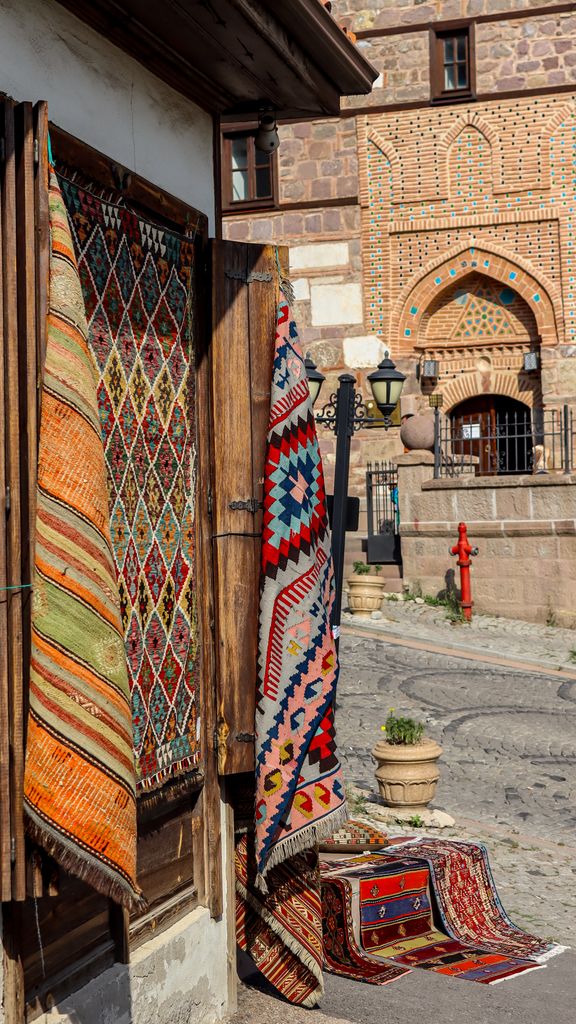
Traditional patterns can include geometric shapes, flowers, trees, animals and abstract forms. Their meanings can vary according to region, tradition and the individual design.
Common motifs include:
The Tree of Life
The Tree of Life is one of the best-known motifs in Anatolian decorative art. It is often associated with life, growth, fertility and the connection between earth and heaven.
Flowers
Flowers and plants can represent beauty, nature and renewal. Different floral designs may have different traditional associations.
Geometric Patterns
Geometric motifs are especially common in Anatolian carpets. Repeated shapes can create complex compositions while also reflecting local artistic traditions.
Animal Motifs
Birds, deer and other animals can appear in traditional designs. Their meanings vary between regions and individual weaving traditions.
It is important to remember that not every symbol has one universal meaning. The interpretation of a motif can depend on the carpet’s region, period and cultural context.
Turkish Carpets and Cappadocia
Cappadocia is one of the most fascinating places in Turkey to discover traditional crafts.
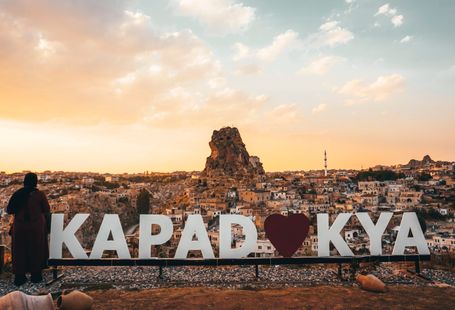
The region is famous for its fairy chimneys, cave dwellings, underground cities and historic villages, but its cultural heritage also includes traditional arts and crafts.
A visit to a carpet workshop can complement a sightseeing itinerary by showing another side of Cappadocia — the skills, traditions and everyday culture behind the region’s historic landscapes.
In some workshops, visitors can watch artisans demonstrate the weaving process and learn how long it can take to create even a relatively small handmade carpet.
What to Expect at a Cappadocia Carpet Workshop
A traditional carpet workshop visit can be an interesting cultural experience even if you are not planning to buy a carpet.
A typical visit may include:
- An introduction to Turkish carpet-making traditions.
- A demonstration of traditional weaving.
- An explanation of different materials and dyes.
- A presentation of regional designs.
- Information about knot density and carpet quality.
- An opportunity to examine finished carpets.
Some workshops also offer demonstrations of silk production, natural dyeing or other traditional textile techniques.
If you are interested in learning the craft rather than simply purchasing a carpet, ask whether the workshop offers a weaving demonstration or hands-on experience.
How to Tell if a Turkish Carpet Is Handmade
If you are considering buying a Turkish carpet, learning a few basic characteristics can help you understand what you are looking at.
Examine the Back
A handmade carpet will show individual knots on the back. Handmade weaving often has small variations because every knot is created by hand.
Look at the Fringe
The fringe is connected to the structure of the carpet rather than simply being added as decoration.
Check the Materials
Ask whether the carpet is made from wool, silk, cotton or a combination of materials.
Ask About the Dyes
If natural dyes are important to you, ask specifically which dyes were used and how the yarn was colored.
Ask Where It Was Made
The region of production can tell you a great deal about a carpet’s traditional design and weaving style.
Ask How Long It Took to Make
The answer can provide useful context about the complexity and craftsmanship involved.
Turkish Carpet vs. Machine-Made Carpet
Handmade and machine-made carpets can look similar at first glance, but their construction is different.
A handmade carpet is created knot by knot on a loom. Small irregularities are normal and can be part of its character.
Machine-made carpets are produced using industrial processes and can reproduce patterns very consistently.
Neither category should automatically be considered better for every buyer. The right choice depends on your budget, intended use and whether you value traditional craftsmanship.
Can You Learn Turkish Carpet Weaving?
Yes. Although becoming a skilled carpet weaver takes considerable time, beginners can learn the basic principles of the craft.
A workshop may introduce you to:
- How a loom works
- How warp threads are arranged
- How the Turkish knot is tied
- How patterns are followed
- How colors are combined
- How the carpet is finished
Learning even a few basic knots can give you a completely different appreciation of the work involved in creating a traditional carpet.
Where to Experience Turkish Carpet Weaving in Cappadocia
Travelers can find carpet workshops in several tourist areas of Cappadocia, particularly around Göreme, Avanos, Uçhisar and Ürgüp.
Avanos is especially well known for traditional crafts, particularly pottery, and the wider region offers opportunities to discover local artisan traditions.
When choosing a workshop, look for places that clearly explain their production methods and allow you to ask questions about the carpets.
A genuine cultural experience should give you enough information to understand what you are seeing rather than simply focusing on making a sale.
Tips for Buying a Turkish Carpet in Cappadocia
If you decide to purchase a carpet, take your time.
Before buying, ask about:
- The material
- Knot density
- Country and region of production
- Whether the carpet is handmade
- The type of dye
- Age of the carpet, if it is described as antique
- Cleaning and maintenance
- Shipping arrangements
- Return or exchange policies
- Documentation or certification, when applicable
Do not feel pressured to make a decision immediately.
A beautiful carpet can be an excellent reminder of your trip, but it is also a significant purchase. Compare several carpets and make sure you understand exactly what you are buying.
How Much Does a Turkish Carpet Cost?
There is no single price for a Turkish carpet.
The cost can vary dramatically depending on:
- Size
- Material
- Knot density
- Design
- Age
- Condition
- Region of production
- Craftsmanship
- Whether it is handmade or machine-made
Silk carpets with very high knot density can be considerably more expensive than simple wool carpets.
If you are shopping for a carpet in Cappadocia, establish your budget before visiting a workshop and ask for clear information about the price and characteristics of each piece.
Why Turkish Carpets Make Meaningful Souvenirs
A mass-produced souvenir can remind you where you traveled, but a handmade carpet can also represent a traditional craft and the work of an individual artisan.
A carpet purchased during a trip to Cappadocia can become part of your home while also serving as a reminder of:
- The landscapes of Cappadocia
- Turkish craftsmanship
- Anatolian traditions
- The people you met during your journey
- The colors and patterns associated with your travels
For many travelers, this makes a handmade carpet a more personal souvenir than a typical tourist purchase.
Frequently Asked Questions About Turkish Carpet Weaving
Are Turkish carpets handmade?
Traditional Turkish carpets can be handmade using techniques that have been practiced in Anatolia for centuries. However, Turkey also produces machine-made carpets, so buyers should always ask about the production method.
What is the Turkish knot?
The Turkish knot, or Gördes knot, is a symmetrical knot traditionally tied around two warp threads. It is one of the characteristic techniques associated with Turkish and Anatolian carpet weaving.
What are Turkish carpets made from?
Traditional carpets can be made from wool, silk, cotton or combinations of these materials. Wool and silk are particularly common in handmade carpets.
Are Turkish carpets expensive?
Prices vary widely. Factors such as size, material, knot density, design, age and craftsmanship all affect the price.
Can tourists learn carpet weaving in Cappadocia?
Some workshops offer demonstrations and cultural experiences where visitors can learn about traditional weaving. Availability varies, so it is best to ask the workshop in advance.
What should I look for when buying a Turkish carpet?
Pay attention to the materials, knot structure, craftsmanship, origin, dyeing method and documentation. Take your time and ask questions before making a purchase.
Experience a Living Turkish Tradition
Traditional Turkish carpet weaving is much more than the creation of a decorative object. It is a craft that connects materials, patterns, craftsmanship and cultural history.
For travelers exploring Cappadocia, visiting a carpet workshop offers a chance to see this tradition from a different perspective. Instead of simply admiring the finished product, you can learn how individual knots become intricate patterns and how generations of artisans have preserved their skills.
Whether you eventually purchase a handmade carpet or simply watch an artisan at work, discovering traditional Turkish carpet weaving can become one of the most memorable cultural experiences of a trip to Cappadocia.